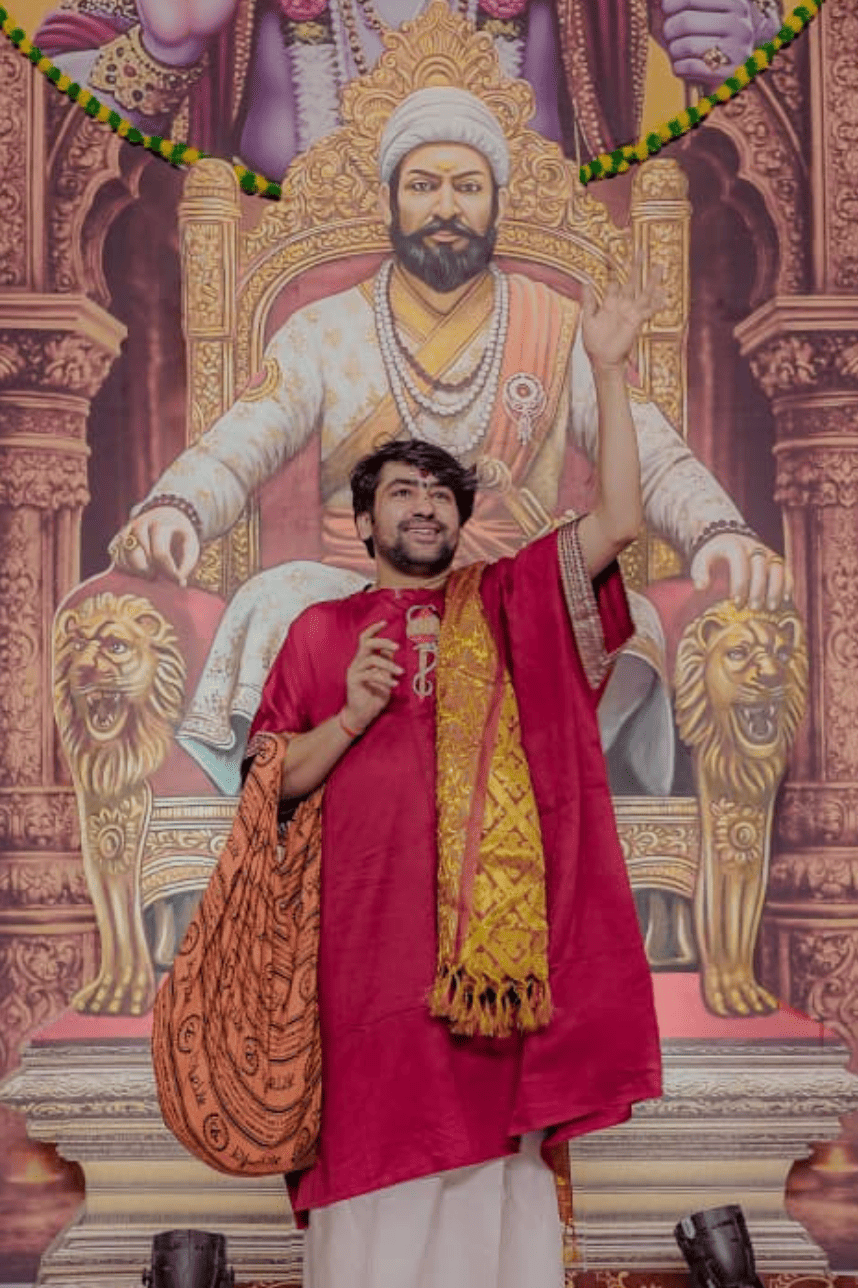
Gurudev DKS
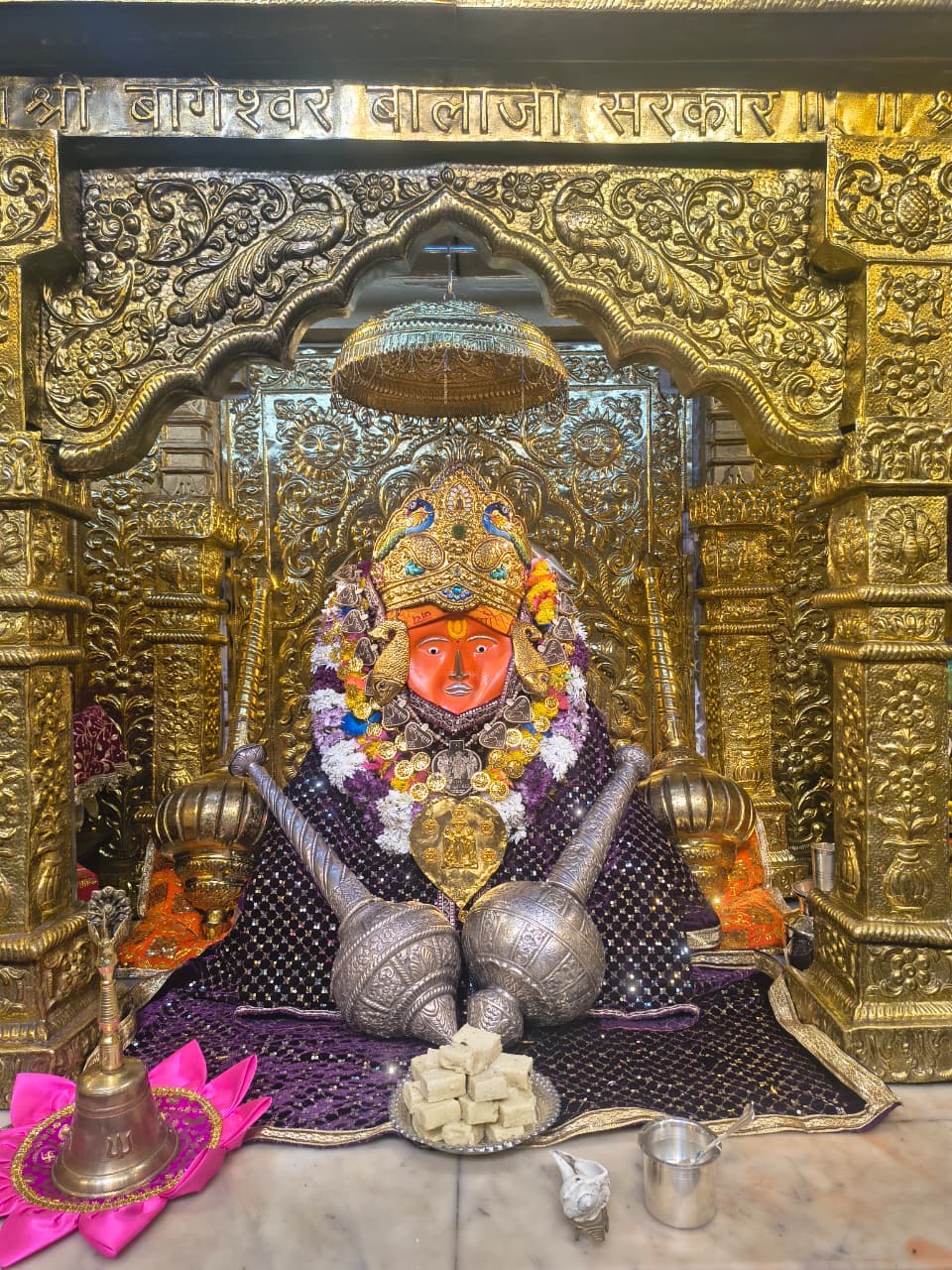
Bageshwar Dham
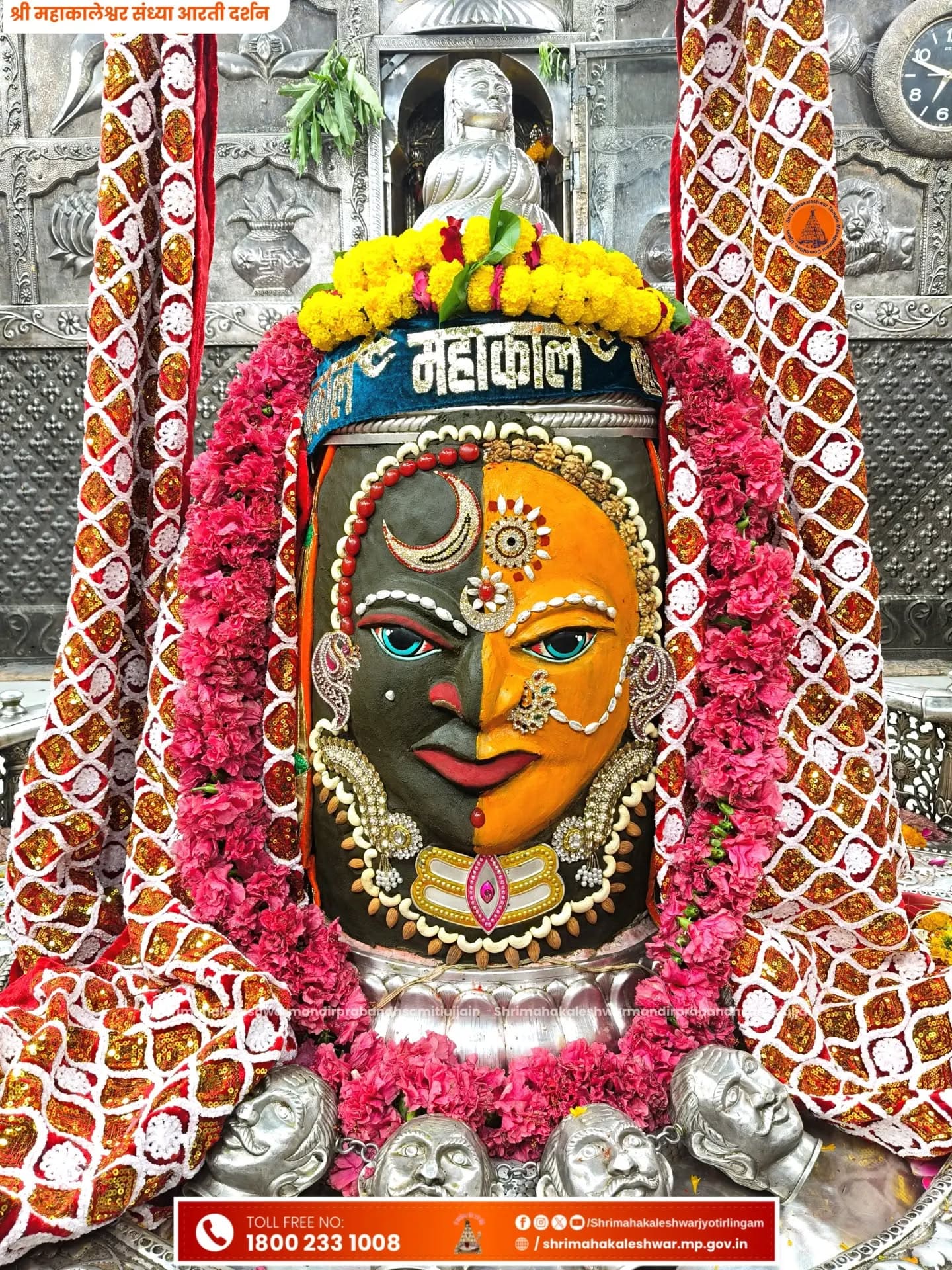
Mahakaleshwar Jyotirlinga
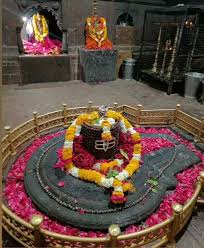
Grishneshwar Jyotirlinga
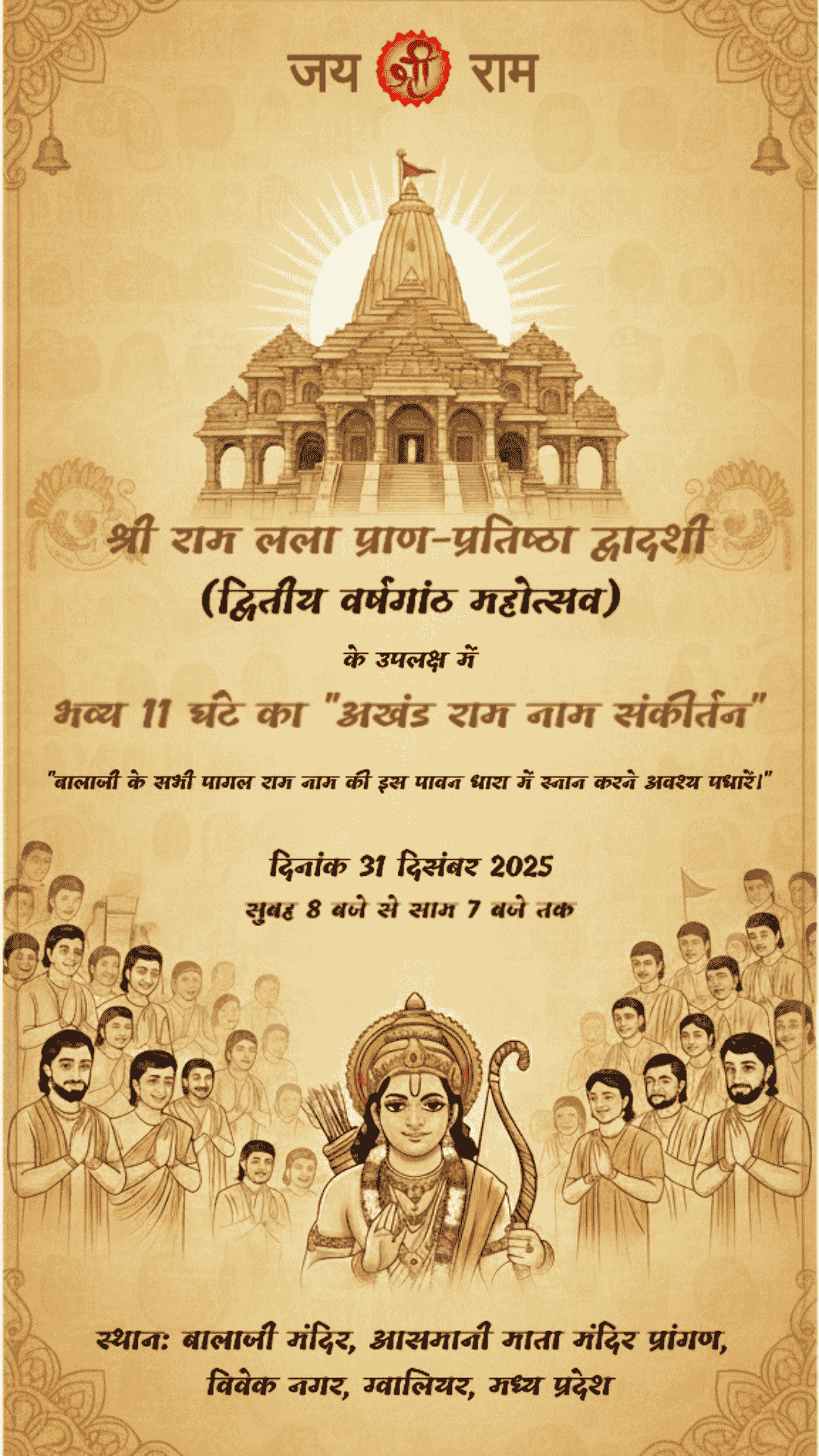
प्रतिष्ठा द्वादशी
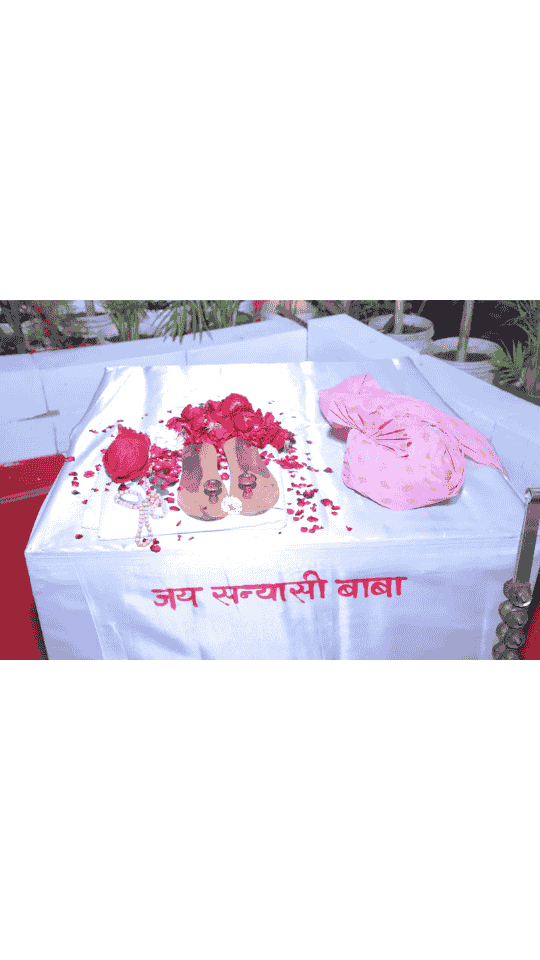
सन्यासी बाबा
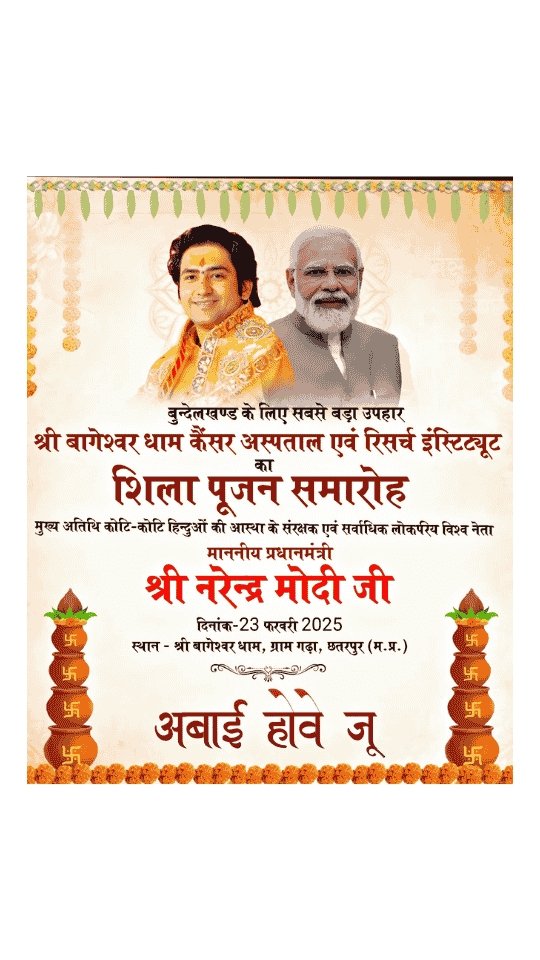
कैंसर हॉस्पिटल
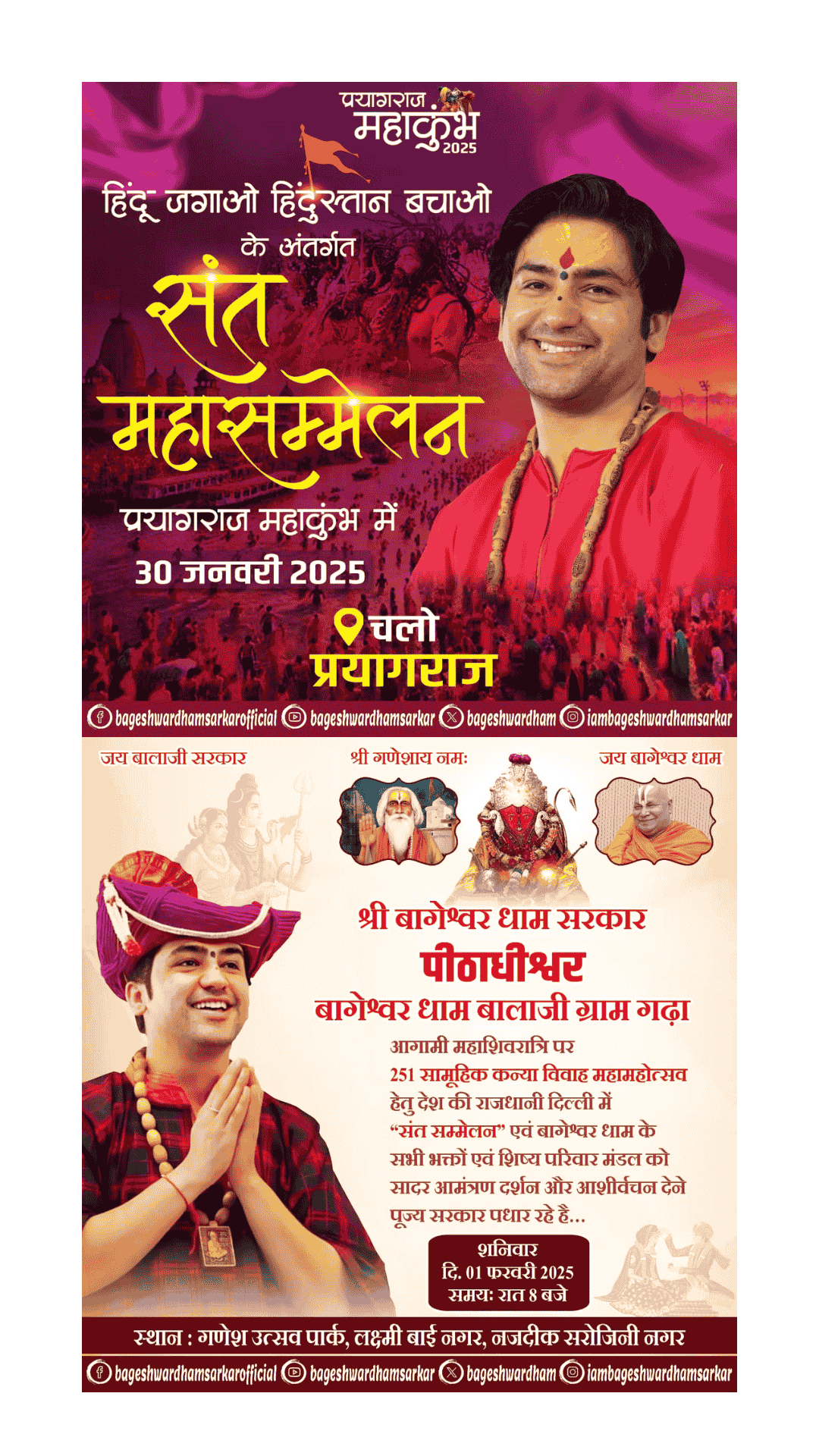
संत सम्मेलन

Forgot Password

Mahakumbh
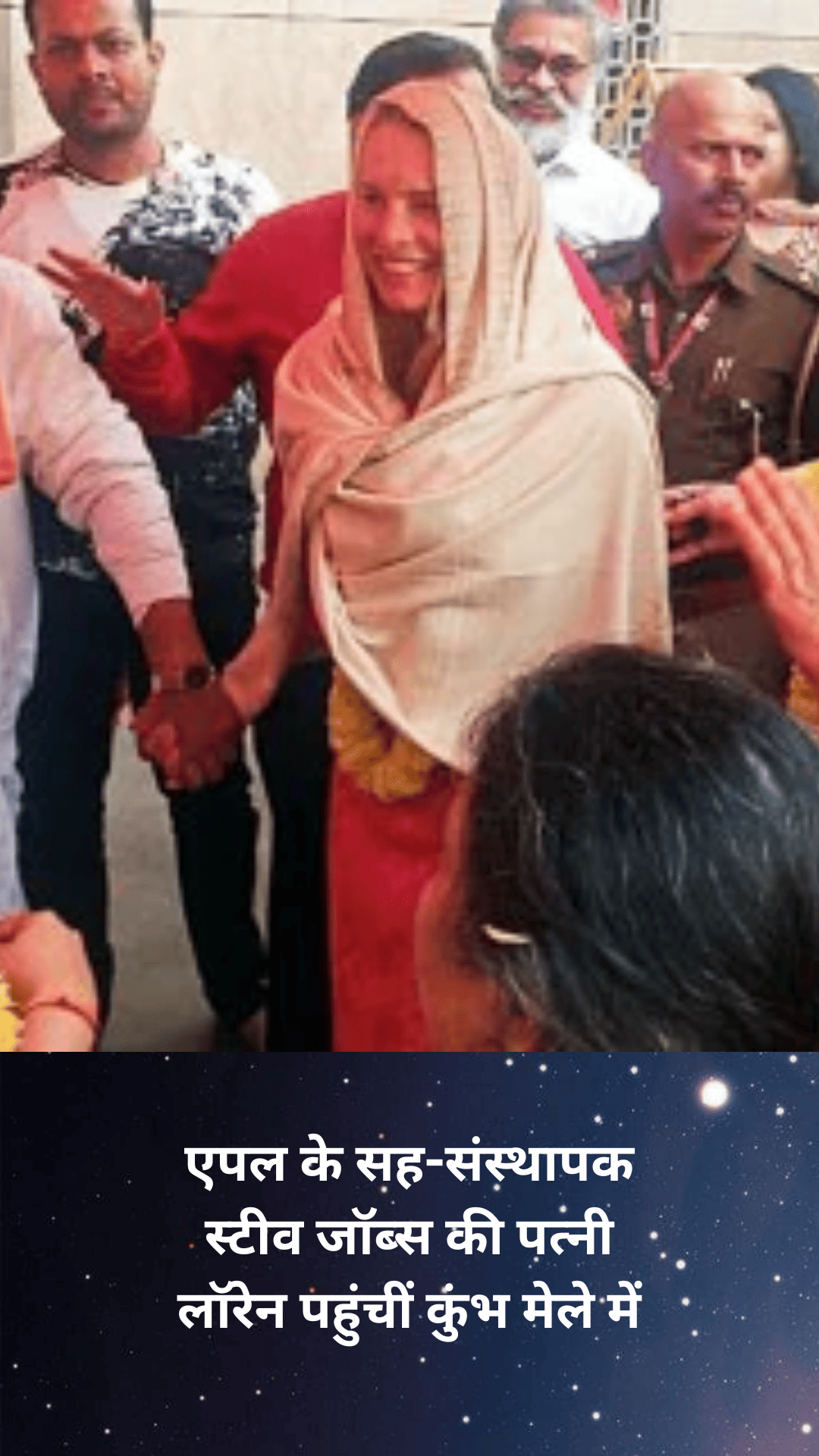
लॉरेन पावेल
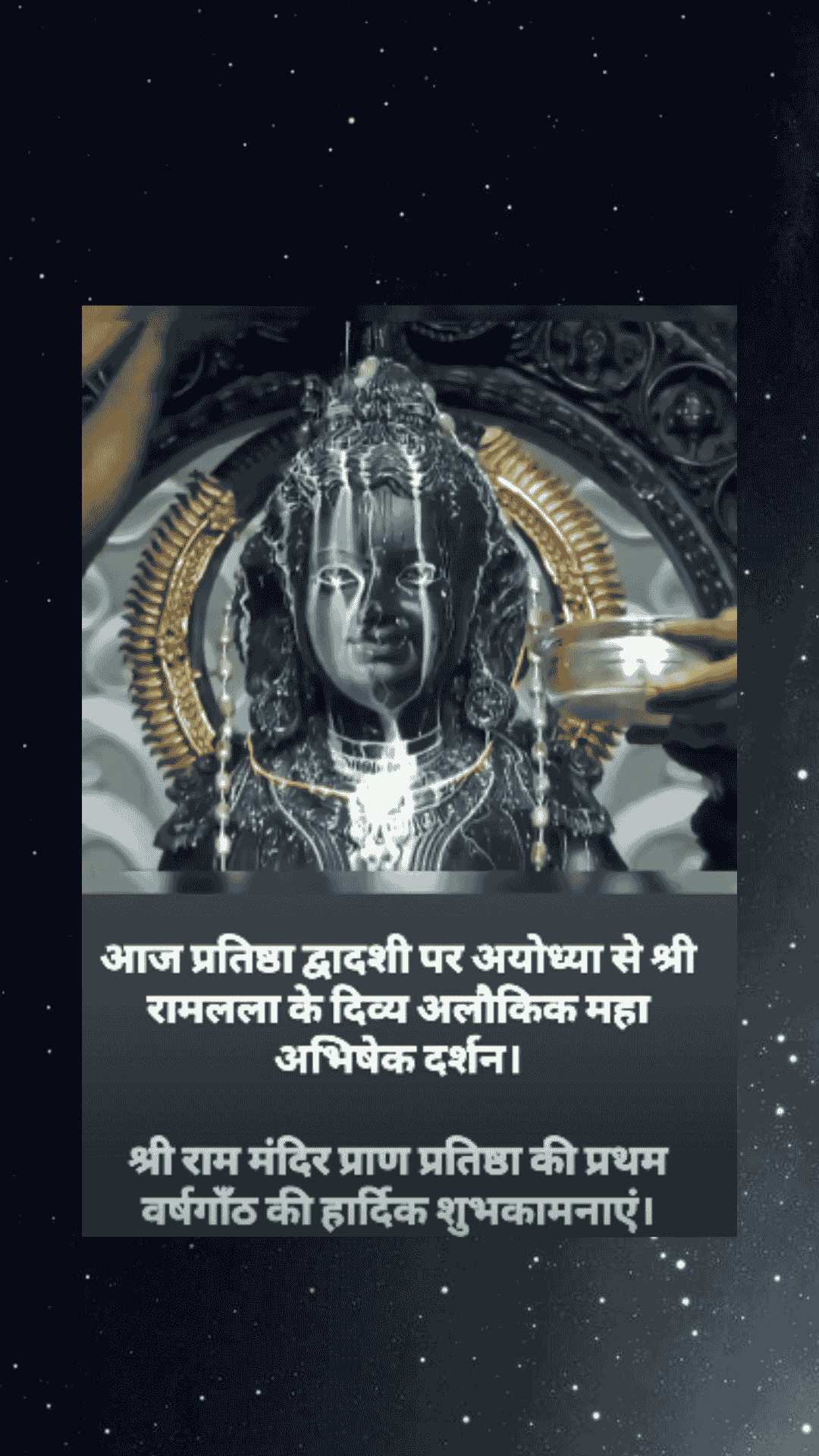
रामलला दर्शन
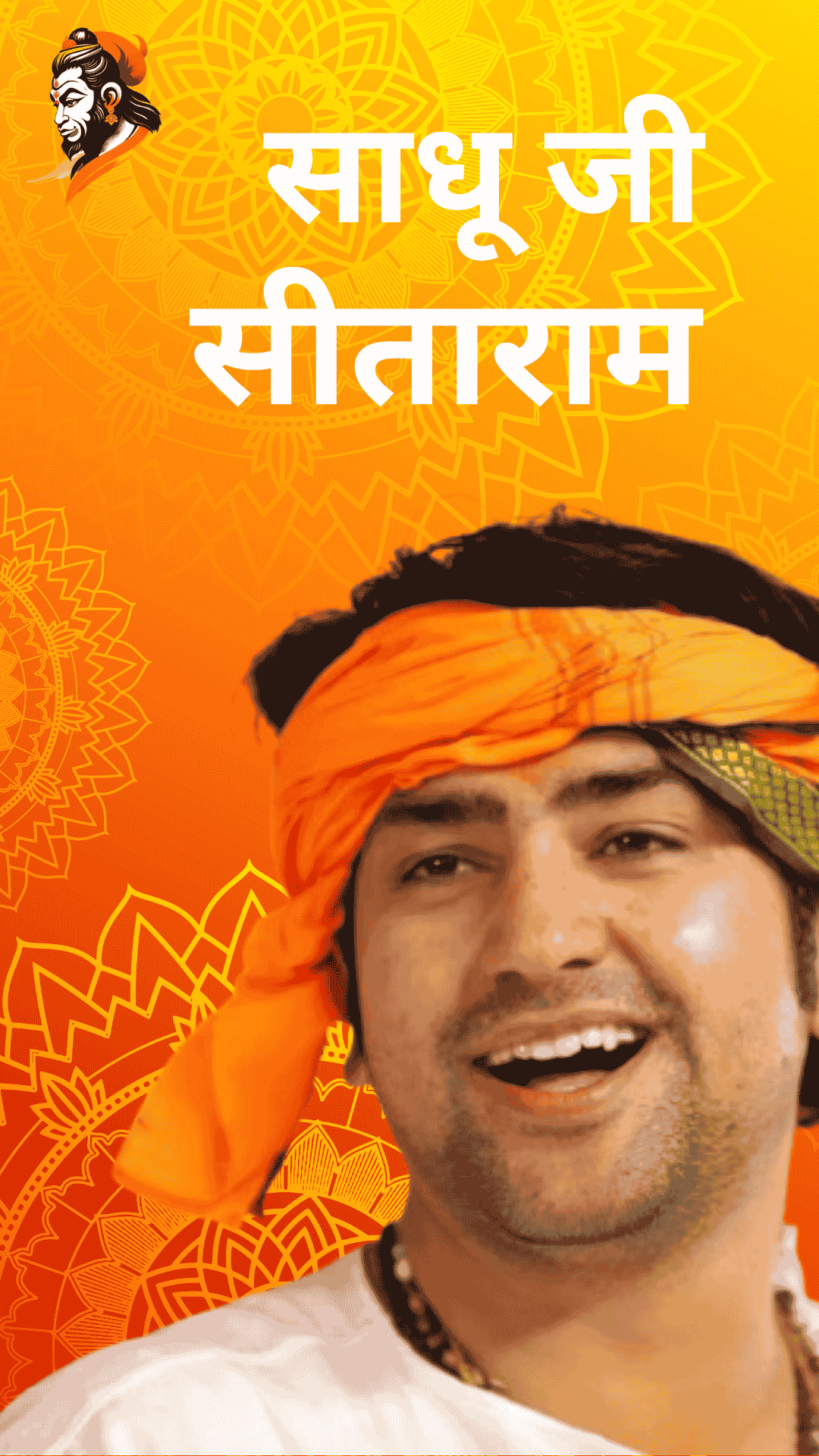
साधू जी सीताराम

ffd er re
sd rt wer t
sd g rt wer
exapj o d
this is first
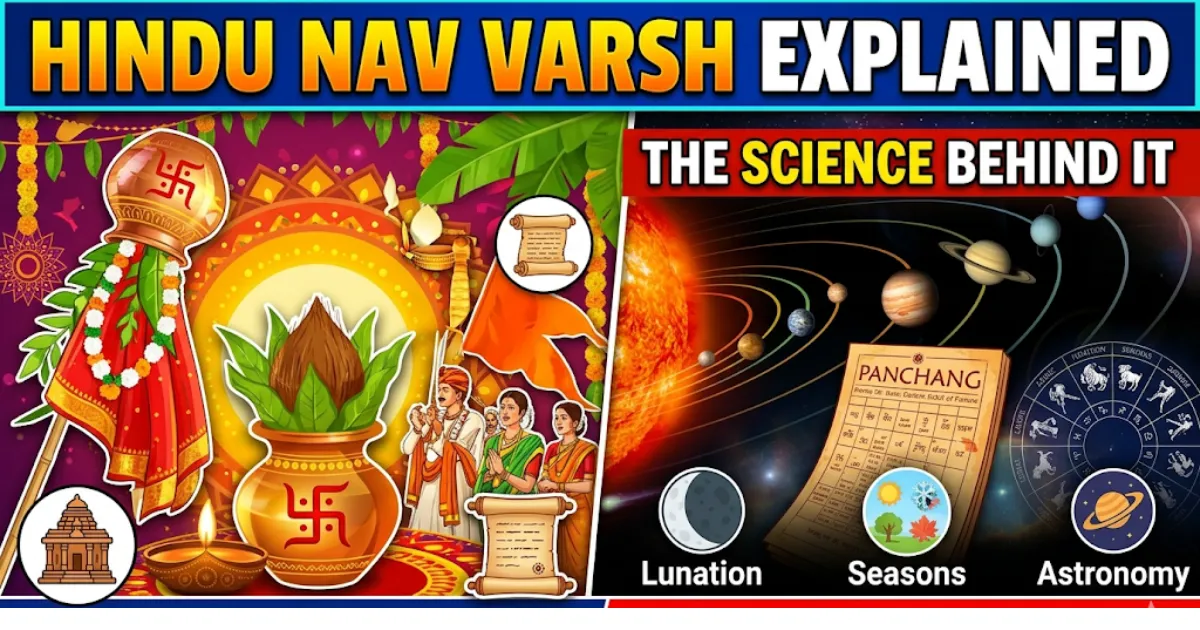
For most of the modern world, the year begins on January 1st according to the Gregorian calendar. However, in the ancient Hindu tradition, the beginning of the year is marked by Hindu Nav Varsh, the start of the Vikram Samvat calendar. This day falls on Chaitra Shukla Pratipada, the first day of the bright lunar fortnight in the month of Chaitra.
Hindu Nav Varsh is not just a cultural celebration; it represents a deeply scientific and spiritual understanding of time. The Hindu calendar, developed thousands of years ago by Indian astronomers and sages, is based on a lunisolar system that aligns human life with the rhythms of nature, the movement of celestial bodies, and seasonal changes.
Across India, this day is celebrated in different forms such as Gudi Padwa in Maharashtra, Ugadi in Karnataka and Andhra Pradesh, Cheti Chand by the Sindhi community, and Navreh in Kashmir. Although the names and customs vary, the meaning remains the same: the beginning of a new cosmic cycle and a fresh start for humanity.
Understanding Hindu Nav Varsh helps us appreciate the scientific knowledge, historical depth, and spiritual wisdom embedded in Sanatan Dharma.
The Hindu New Year is closely connected with the Vikram Samvat calendar, one of the oldest calendars in continuous use in India.
According to historical tradition, Vikram Samvat was started in 57 BCE by the legendary king Vikramaditya of Ujjain. The calendar commemorates his victory over foreign invaders and the establishment of a prosperous and stable kingdom.
Because of this origin, Vikram Samvat became widely accepted across northern and western India as a civil and religious calendar. Even today, many Hindu festivals, rituals, and temple activities are determined according to this calendar.
The Vikram Samvat calendar runs approximately 56-57 years ahead of the Gregorian calendar. For example, while the Gregorian year might be 2026, the Vikram Samvat year would be around 2083.
For centuries, this calendar has guided the timing of important Hindu festivals such as:
Diwali
Holi
Ram Navami
Navratri
Janmashtami
This long continuity shows how deeply the Hindu calendar is embedded in the cultural and religious life of India.
The beginning of the Hindu New Year in the month of Chaitra is not accidental. It is carefully aligned with natural and astronomical cycles.
Chaitra occurs during the spring season, when nature undergoes renewal. Trees blossom, crops ripen, and the environment becomes vibrant again after winter. Ancient Hindu sages believed that the beginning of a year should coincide with the rejuvenation of nature.
Several sacred traditions also associate this day with cosmic beginnings:
It is believed that Lord Brahma created the universe on Chaitra Shukla Pratipada.
Many texts state that the Satya Yuga, the first age of the cosmic cycle, began on this day.
The day also marks the beginning of Chaitra Navratri, nine days dedicated to the worship of Goddess Durga.
These beliefs symbolize the idea that the Hindu New Year represents creation, renewal, and spiritual awakening.
Hindu Nav Varsh is celebrated in different regions of India with unique customs and traditions.
In Maharashtra, the Hindu New Year is celebrated as Gudi Padwa. Families hoist a decorated flag called the Gudi outside their homes, symbolizing victory, prosperity, and good fortune. The day is marked with festive meals, prayers, and traditional decorations.
In Karnataka, Andhra Pradesh, and Telangana, the new year is celebrated as Ugadi, meaning “the beginning of a new era.” A special dish called Ugadi Pachadi, made from ingredients representing six tastes, symbolizes the different experiences of life; joy, sorrow, anger, surprise, fear, and disgust.
The Sindhi community celebrates the day as Cheti Chand, which also commemorates the birth of Jhulelal, their revered deity and protector.
In Kashmir, the Kashmiri Pandit community celebrates Navreh, marking the start of the new year with prayers, rituals, and the viewing of sacred items that symbolize prosperity and knowledge.
These diverse celebrations demonstrate the unity within the diversity of Hindu culture, where the same cosmic event is celebrated in different cultural forms.
In Hindu philosophy, time is viewed as cyclical rather than linear. Each new year represents an opportunity for renewal, reflection, and spiritual growth.
On Hindu Nav Varsh, many devotees begin the year by:
Visiting temples and offering prayers
Performing puja at home
Reading sacred texts like the Bhagavad Gita or Ramayana
Taking new spiritual or personal resolutions
The start of Chaitra Navratri on the same day adds deeper spiritual meaning. Devotees worship Goddess Durga for nine days, seeking strength, protection, and blessings for the coming year.
This spiritual focus reflects the Hindu belief that the beginning of a new year should start with purity of mind, devotion, and positive intentions.
One of the most remarkable aspects of the Hindu New Year is the scientific system behind the Hindu calendar.
The Hindu calendar is lunisolar, meaning it takes into account both:
The phases of the Moon
The movement of the Sun
Ancient Indian astronomers developed sophisticated methods for calculating time based on:
Tithis (lunar days)
Nakshatras (constellations)
Solar transitions (Sankranti)
Planetary positions
These calculations ensured that the calendar remained synchronized with seasons and agricultural cycles.
Unlike purely solar calendars, the Hindu lunisolar system maintains a balance between lunar months and solar years, often adjusting through the addition of an extra month (Adhik Maas) when necessary.
This system reflects the advanced astronomical knowledge possessed by ancient Indian scholars.
The widespread celebration of January 1 as the beginning of the year came with the adoption of the Gregorian calendar, introduced in 1582 by Pope Gregory XIII.
This calendar was designed primarily for administrative and civil purposes and eventually became the global standard.
However, January 1 has no direct connection with seasonal or astronomical cycles. In contrast, the Hindu New Year begins with the arrival of spring and the start of a new lunar phase.
For this reason, many scholars and cultural thinkers emphasize that Hindu Nav Varsh represents the traditional and natural beginning of the year in Hindu civilization.
In the modern world, where globalization often leads to the loss of traditional knowledge, understanding Hindu Nav Varsh helps reconnect people with their cultural roots and ancient wisdom.
Celebrating Hindu Nav Varsh reminds us of:
The astronomical knowledge of ancient India
The spiritual philosophy of Sanatan Dharma
The cultural continuity of Hindu civilization
For younger generations, it provides an opportunity to rediscover the scientific and philosophical depth of Hindu traditions.
Hindu Nav Varsh is more than a festival, it is a reflection of the civilizational wisdom of Sanatan Dharma.
Rooted in astronomy, seasonal cycles, and spiritual philosophy, the Hindu New Year aligns human life with the rhythms of the universe. The beginning of the year with Chaitra Shukla Pratipada symbolizes creation, renewal, and spiritual awakening.
By understanding the history, significance, and science behind Hindu Nav Varsh, we gain a deeper appreciation of the knowledge systems developed by ancient Hindu scholars.
As the new year begins according to the Vikram Samvat calendar, it reminds us that time itself is sacred and that every new cycle is an opportunity for growth, prosperity, and spiritual evolution.
उत्तरदाता :-
Sachin Verma
Shivpuri
प्रश्नकर्ता :-
HI User
.
👁 6069
👁 3355
👁 11547
👁 4166
👁 5216
👁 2724
👁 5937
👁 11436
HinduIntellectual: Explore 700+ shastras, Ramcharitmanas, bhajans, aartis, mantras, festivals, contests, and spiritual insights. A platform for Hindus to connect, learn, and celebrate Sanatan Dharma.
support@hinduintellectual.com