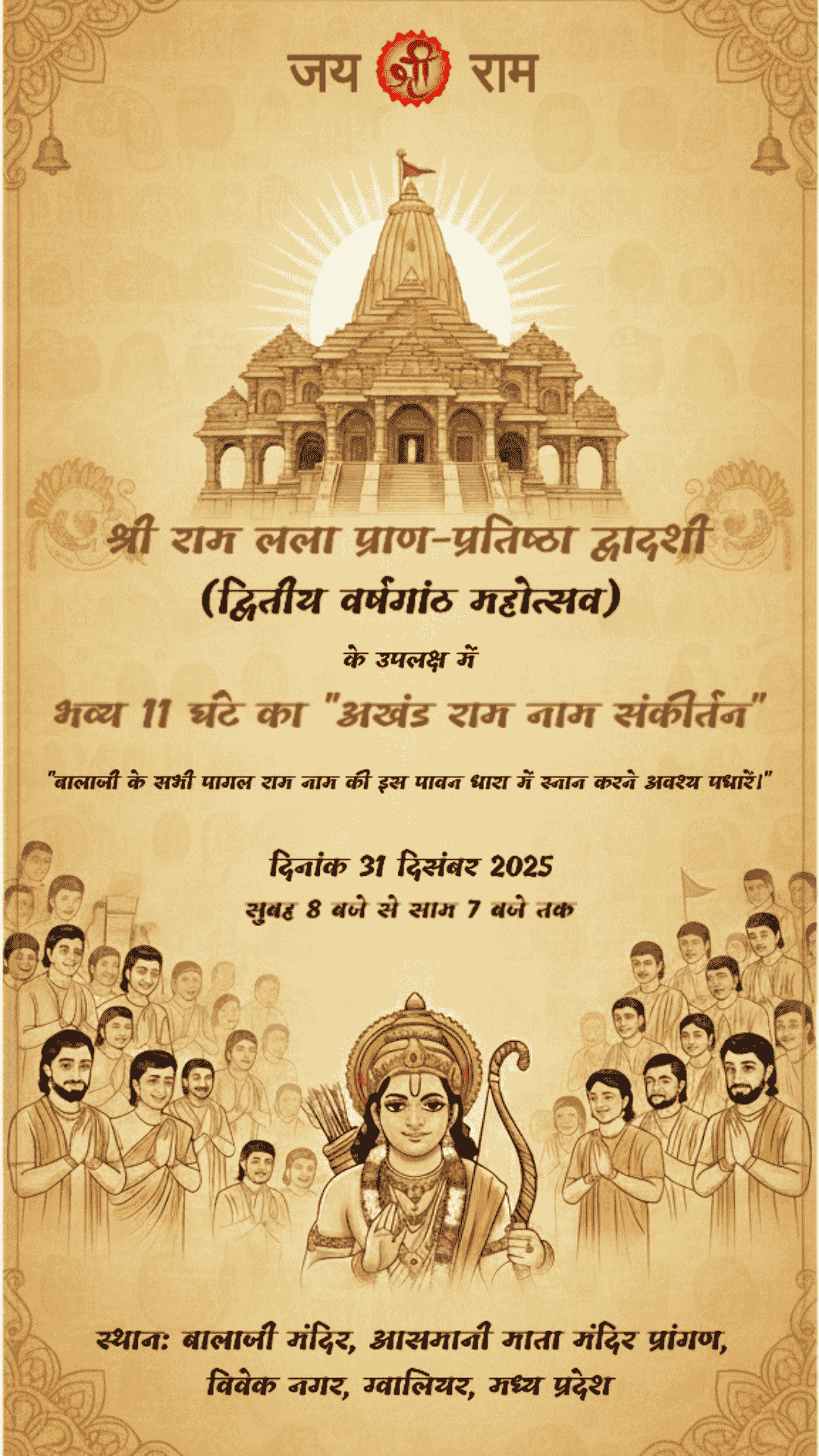
प्रतिष्ठा द्वादशी
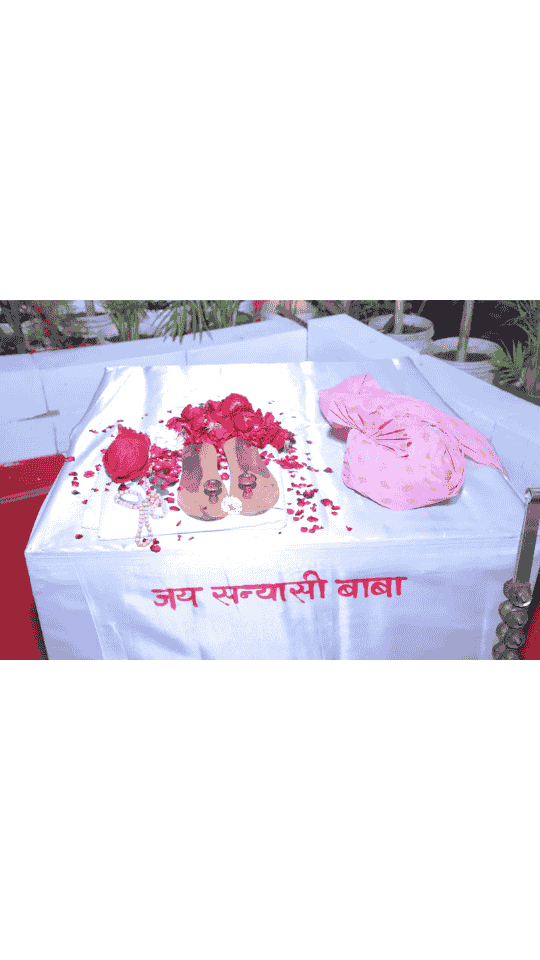
सन्यासी बाबा
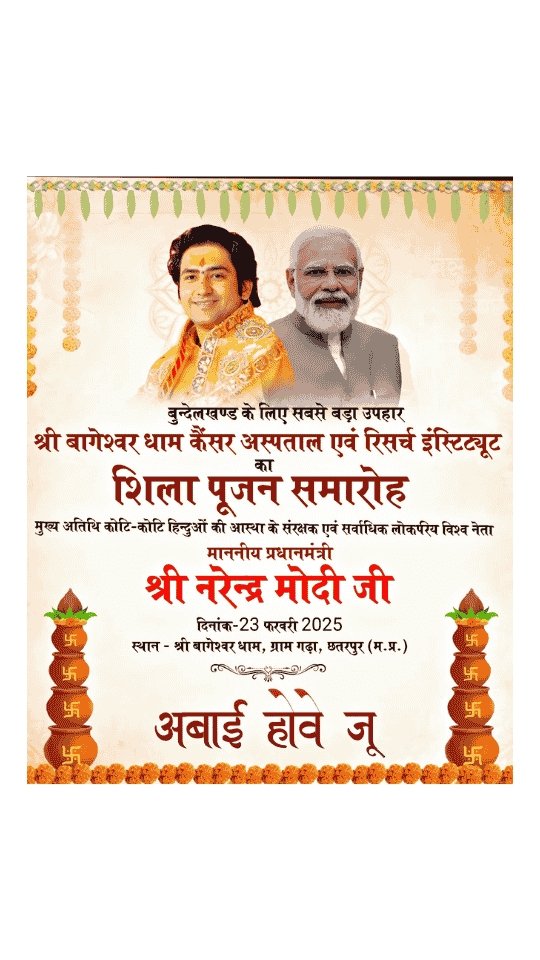
कैंसर हॉस्पिटल
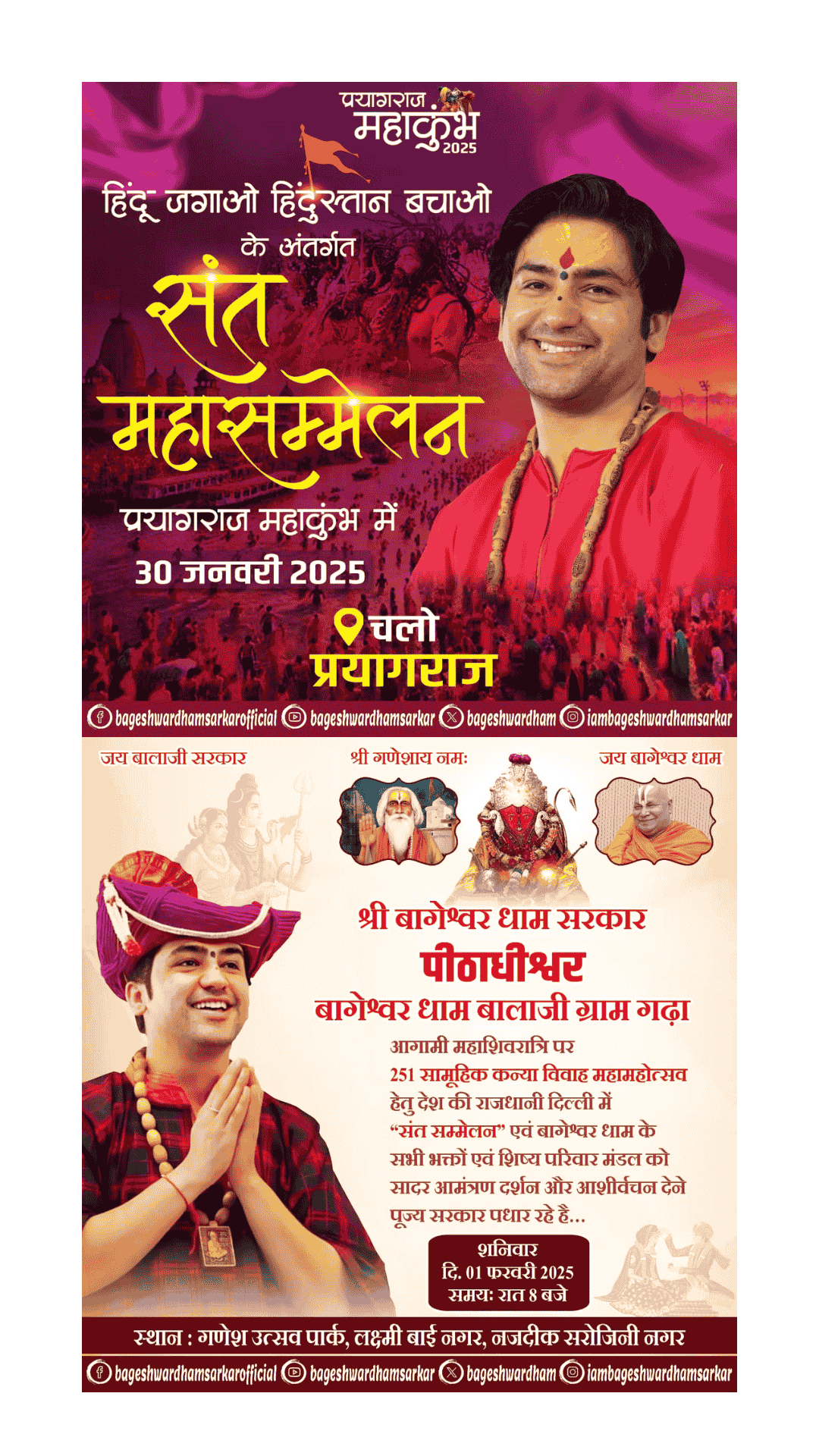
संत सम्मेलन

Forgot Password

Mahakumbh
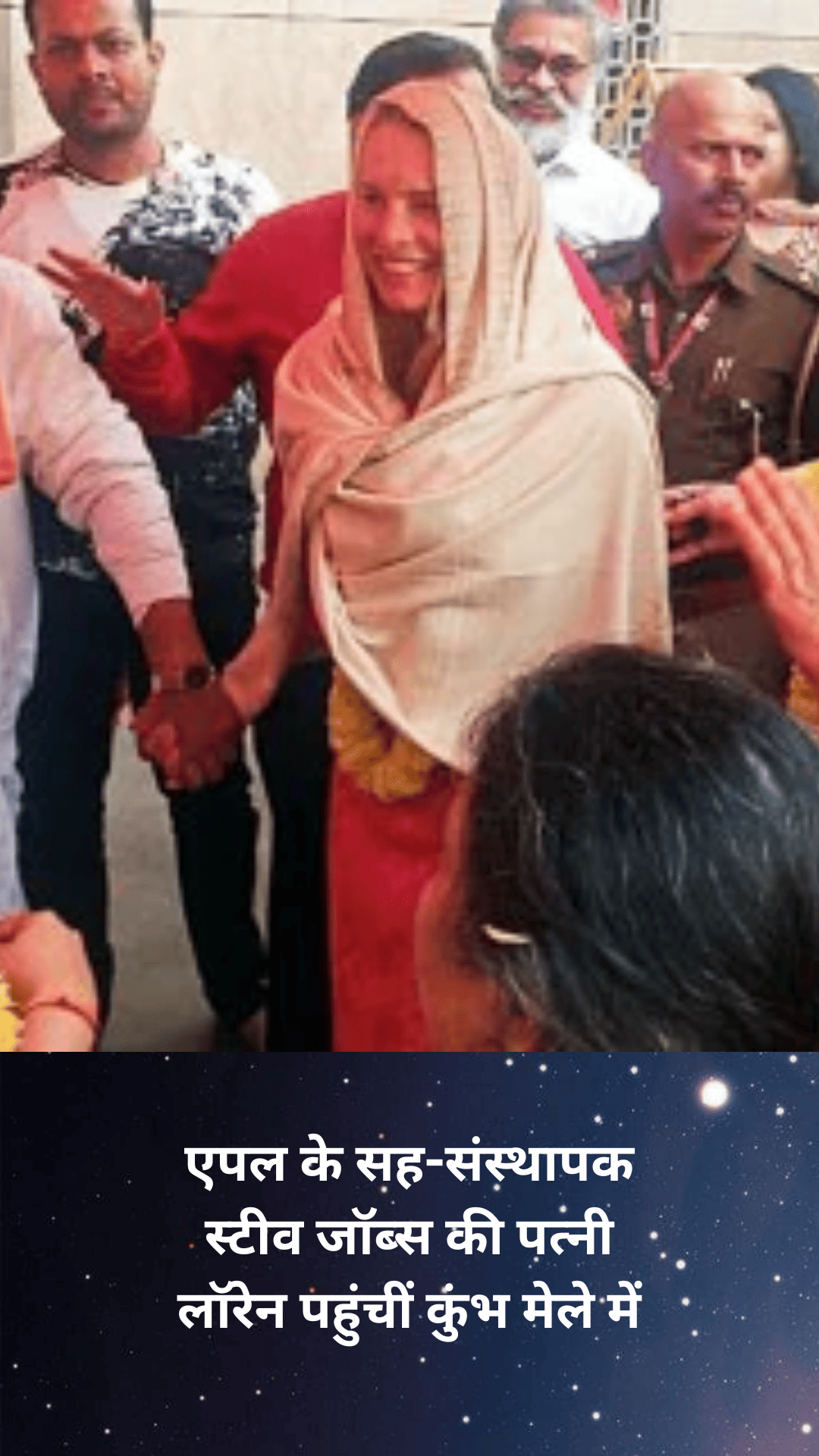
लॉरेन पावेल
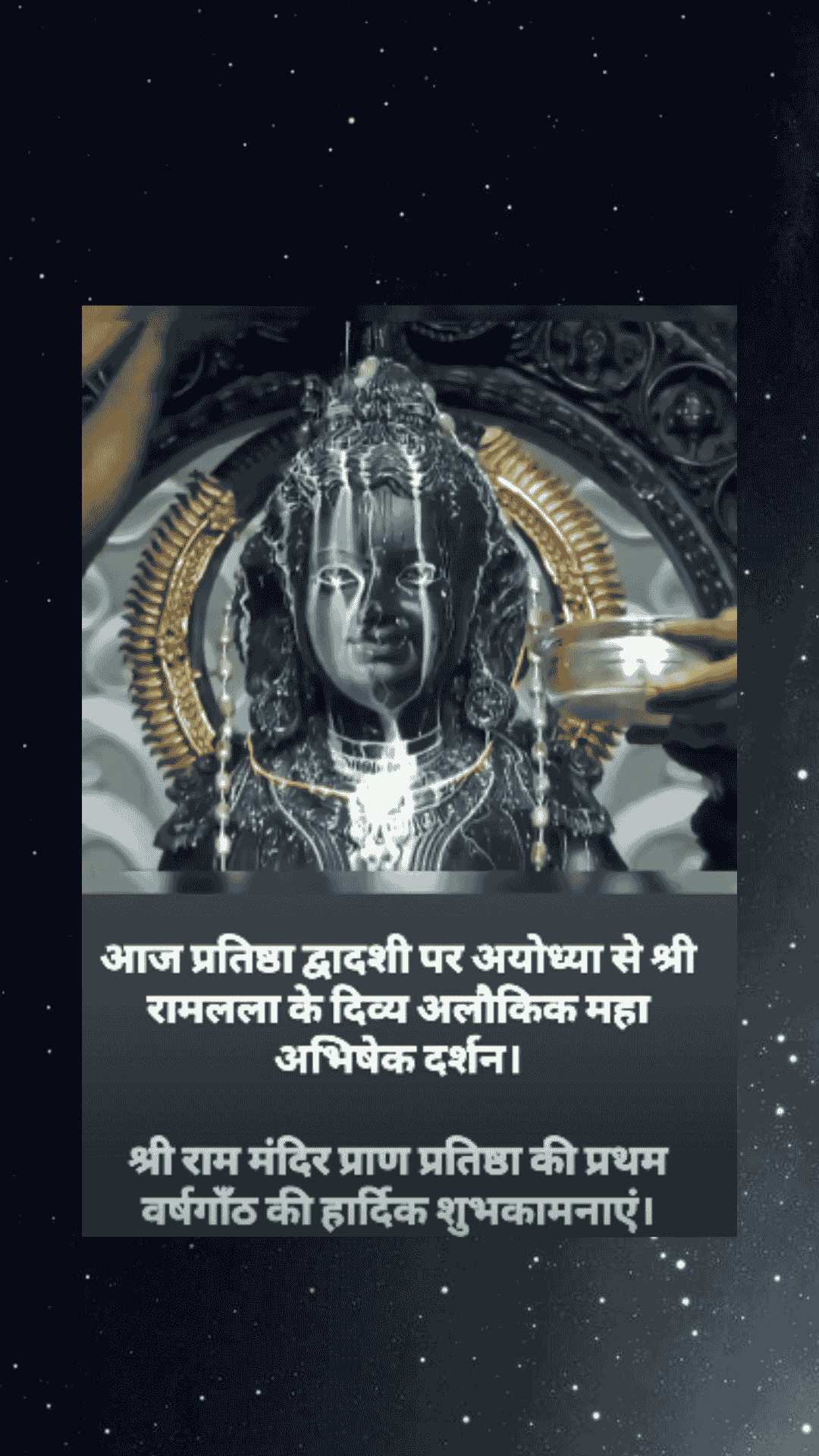
रामलला दर्शन
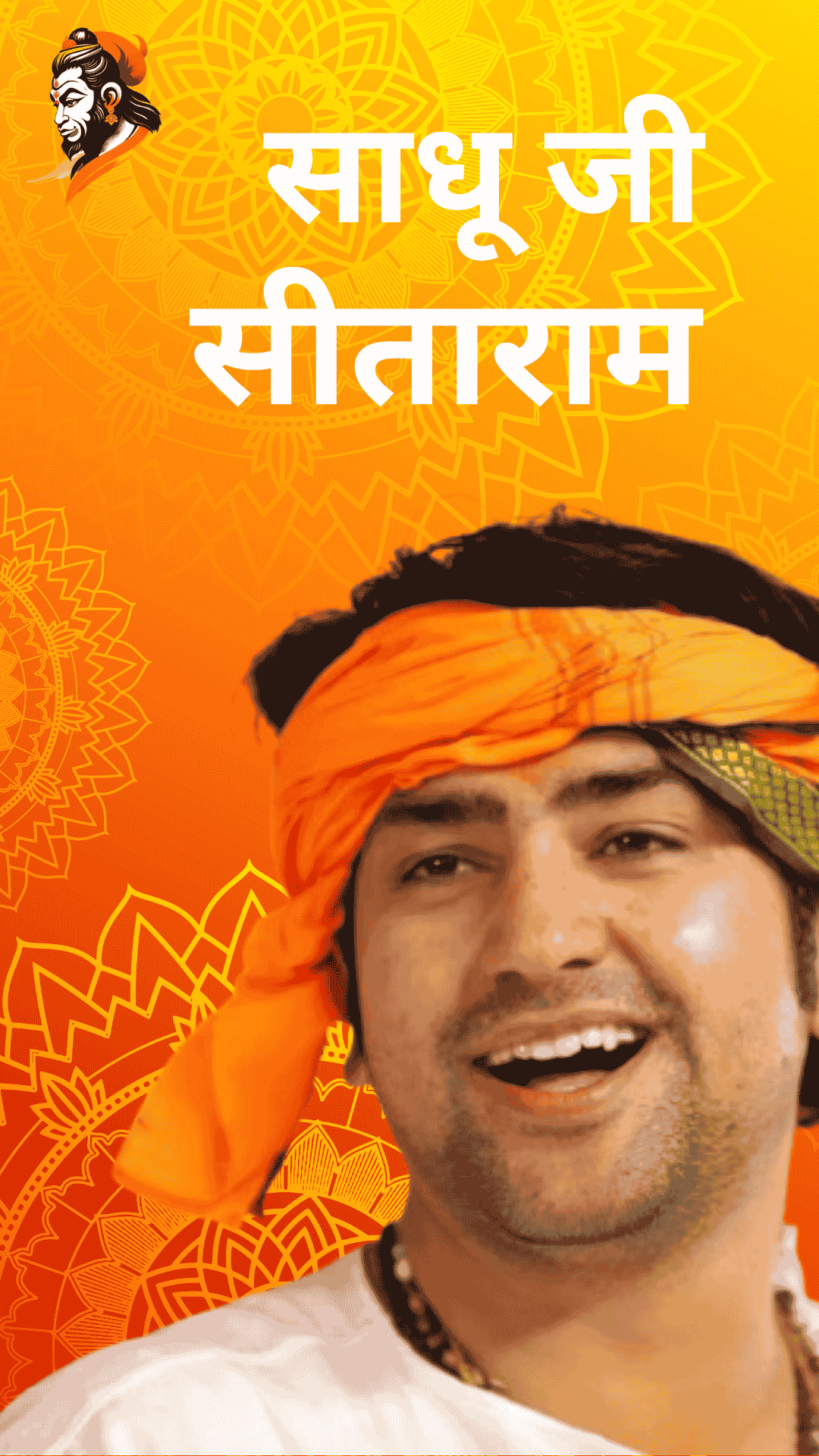
साधू जी सीताराम

ffd er re
sd rt wer t
sd g rt wer
exapj o d
this is first

Hindi:
मोक्ष या मुक्ति सनातन धर्म का अंतिम लक्ष्य है, जो जन्म, मृत्यु और पुनर्जन्म के अनंत चक्र से मुक्ति का प्रतीक है। यह उस अवस्था का प्रतिनिधित्व करता है जब व्यक्ति भौतिक शरीर और सांसारिक आसक्तियों की सीमाओं से परे अपने सच्चे स्वरूप को पहचान लेता है। मोक्ष प्राप्ति के लिए गहन आध्यात्मिक अभ्यास, आत्म-निरीक्षण और करुणा, विनम्रता तथा अटूट भक्ति जैसे गुणों के विकास की आवश्यकता होती है। कर्म योग, भक्ति योग, ज्ञान योग और राज योग जैसे विभिन्न मार्ग मन की शुद्धि और अहंकार से ऊपर उठने के लिए विभिन्न उपाय प्रदान करते हैं। सतत ध्यान, नैतिक जीवन और दिव्य के प्रति ईमानदार समर्पण के माध्यम से व्यक्ति धीरे-धीरे अपने संचयी कर्मिक बोझ को त्याग देता है। मोक्ष की ओर यह यात्रा आंतरिक परिवर्तन के रूप में देखी जाती है, जहाँ व्यक्ति यह अनुभव करता है कि उसका आत्मा सार्वभौमिक चेतना से अलग नहीं है। यह अनुभूति शाश्वत आनंद, आंतरिक शांति और दिव्यता के साथ गहरे संबंध का कारण बनती है। इस संदर्भ में, मुक्ति जीवन से पलायन नहीं बल्कि उसके आध्यात्मिक सार के साथ गहन जुड़ाव है। सनातन धर्म की शिक्षाएँ लगातार इस बात पर जोर देती हैं कि मोक्ष उस व्यक्ति के लिए सुलभ है जो आत्म-साक्षात्कार के मार्ग पर समर्पण और विश्वास के साथ चलता है।
English:
Moksha, or liberation, is the ultimate goal in Sanatana Dharma that signifies freedom from the endless cycle of birth, death, and rebirth. It represents the state of realizing one’s true nature beyond the limitations of the physical body and worldly attachments. Achieving Moksha involves a deep commitment to spiritual practice, self-inquiry, and the cultivation of virtues such as compassion, humility, and unwavering devotion. Various paths such as Karma Yoga, Bhakti Yoga, Jnana Yoga, and Raja Yoga offer different approaches to purify the mind and transcend the ego. Through sustained meditation, ethical living, and sincere surrender to the divine, the individual gradually sheds the accumulated karmic burden. The journey toward Moksha is seen as an inner transformation where one awakens to the truth that the self is not separate from the universal consciousness. This realization leads to a state of eternal bliss, inner peace, and a profound connection with the divine. In this context, liberation is not an escape from life but a deeper engagement with its spiritual essence. The teachings of Sanatana Dharma consistently emphasize that Moksha is attainable for anyone who embarks on the path of self-realization with dedication and faith.
उत्तरदाता :-

HI Team
Online
प्रश्नकर्ता :-
Unknown
-
👁 3876
👁 2322

👁 8575
👁 10100
👁 6842
👁 2238
👁 2238
👁 2367
HinduIntellectual: Explore 700+ shastras, Ramcharitmanas, bhajans, aartis, mantras, festivals, contests, and spiritual insights. A platform for Hindus to connect, learn, and celebrate Sanatan Dharma.
support@hinduintellectual.com