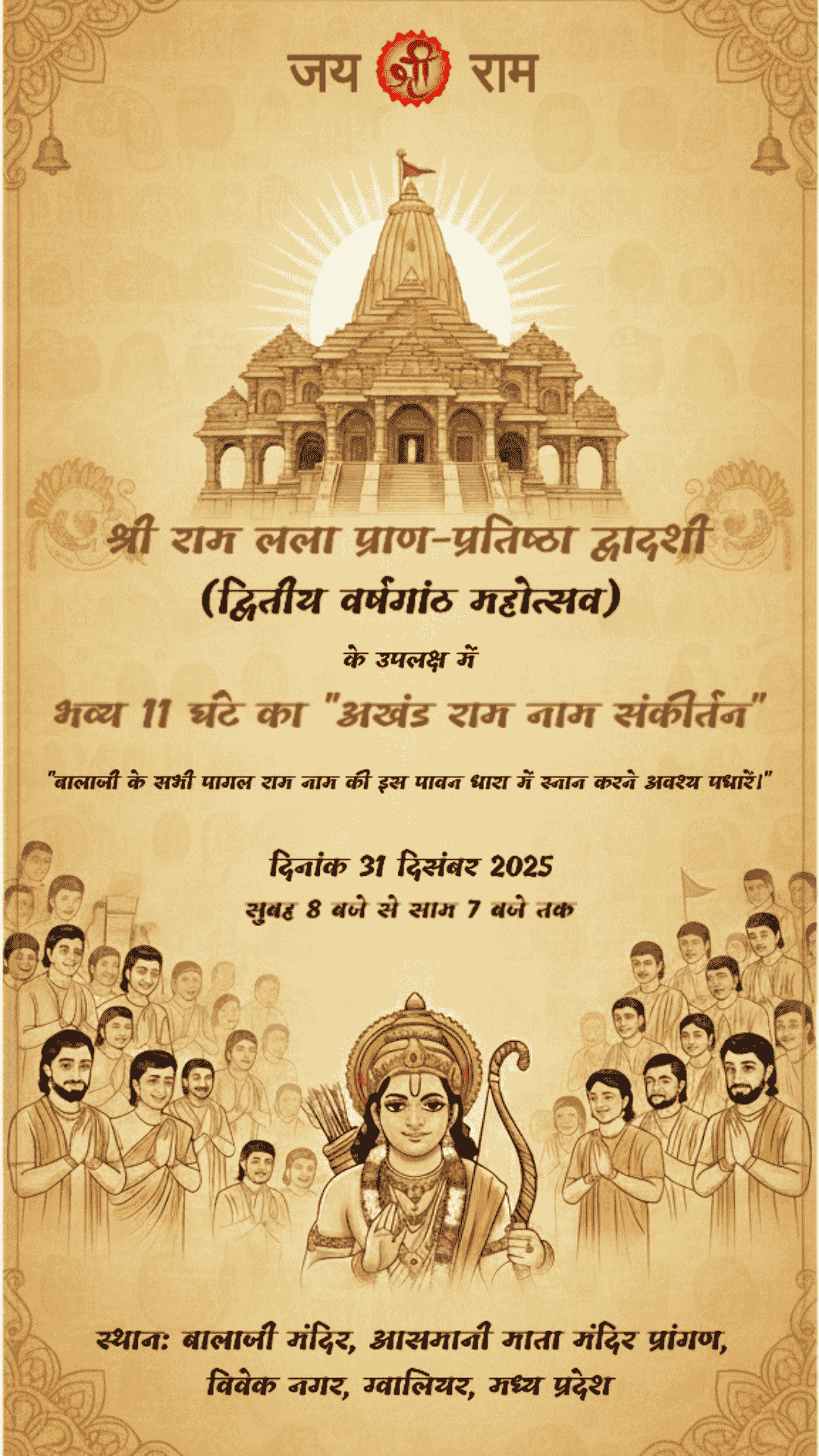
प्रतिष्ठा द्वादशी
सन्यासी बाबा
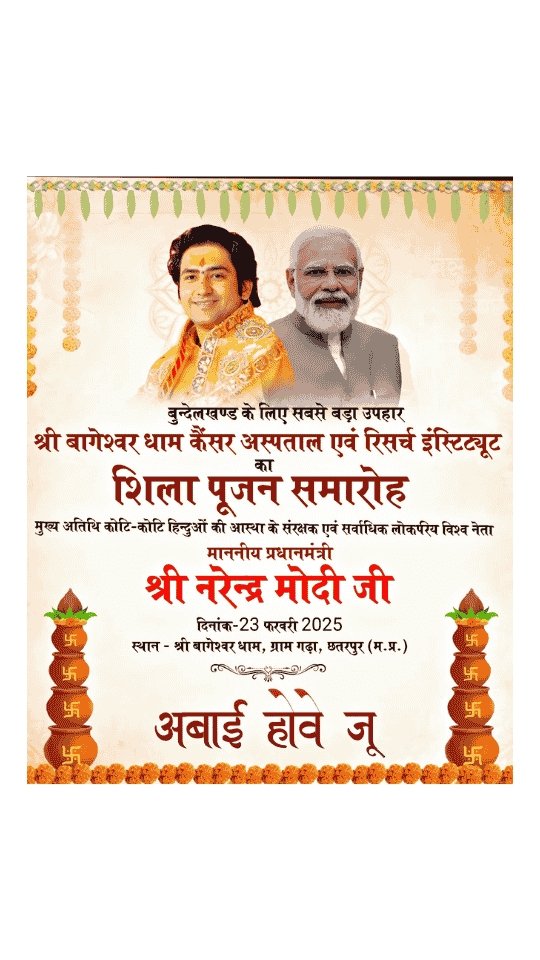
कैंसर हॉस्पिटल
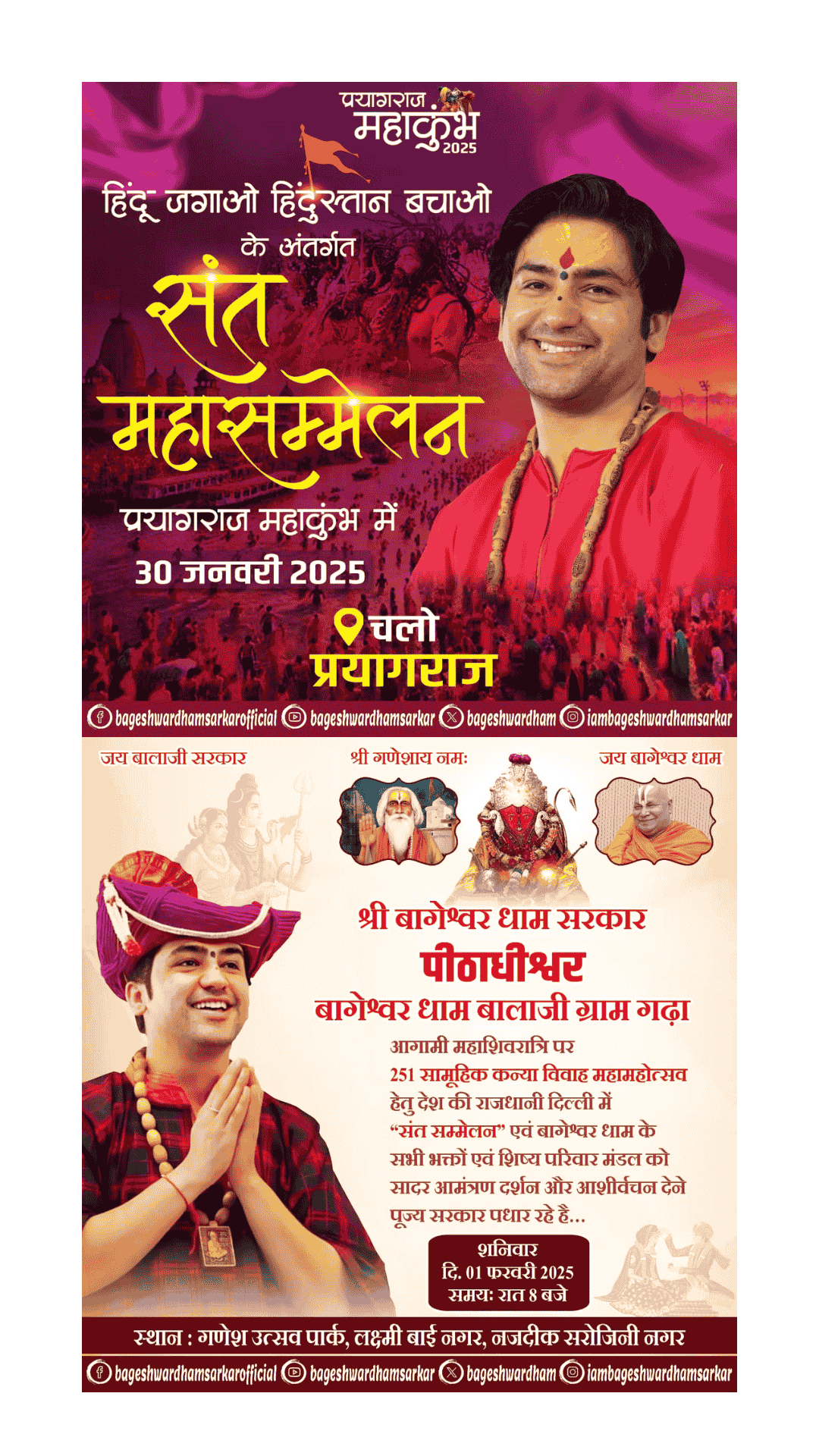
संत सम्मेलन

Forgot Password

Mahakumbh
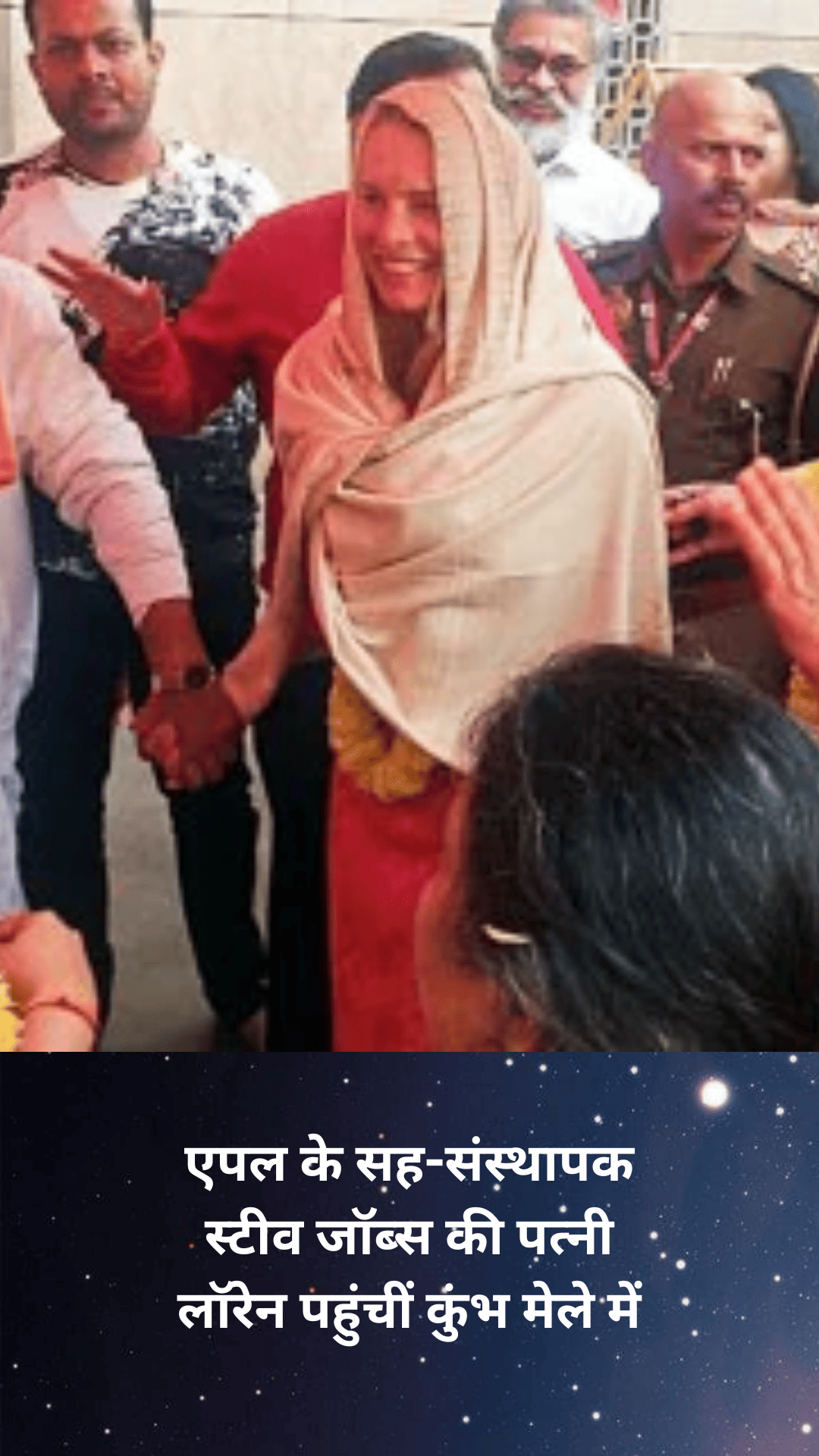
लॉरेन पावेल
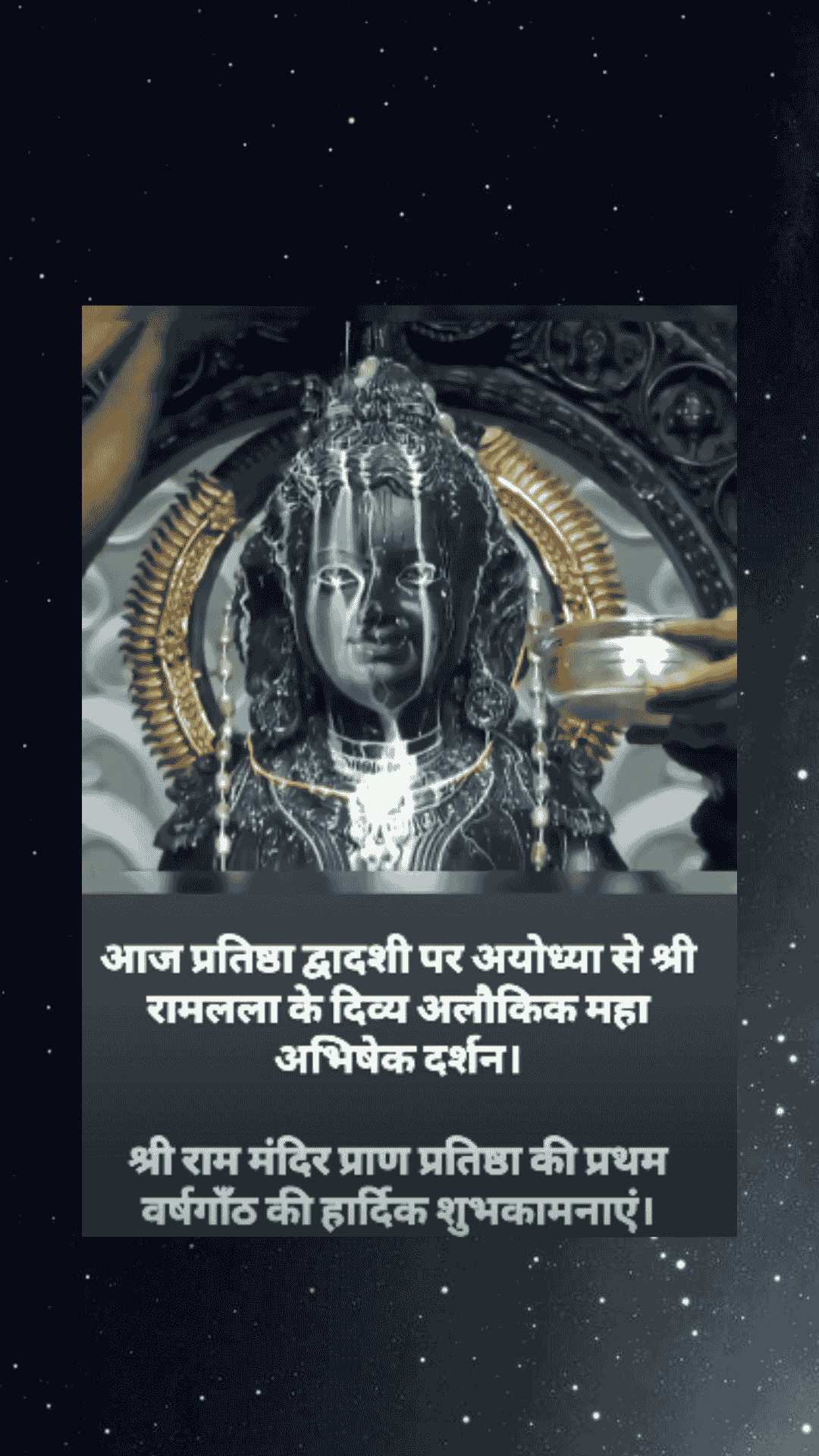
रामलला दर्शन
साधू जी सीताराम
ffd er re

sd rt wer t
sd g rt wer
exapj o d
this is first
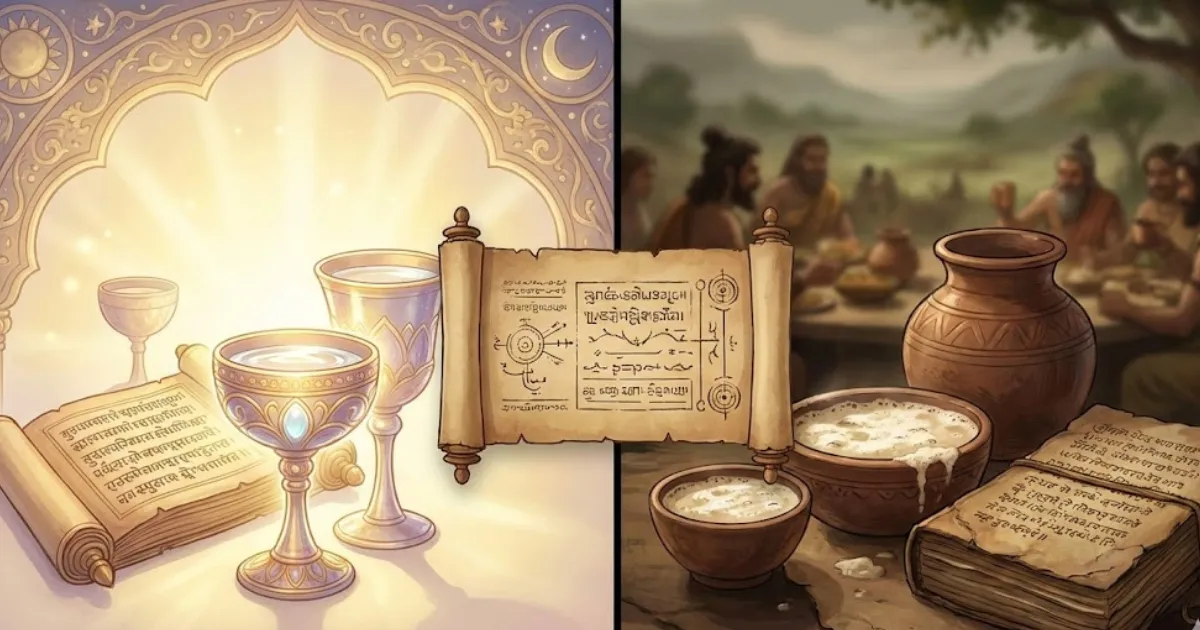
The words Soma and Surā are often wrongly treated as similar intoxicants in popular discourse. Hindu scriptures, however, draw a strict and uncompromising distinction between them. Soma is praised as sacred, divine, and consciousness-elevating, while Surā ultimately becomes prohibited as mentally destructive and spiritually degrading.
This article presents the original Sanskrit verses with accurate translations, arranged text-wise, to clearly explain why Soma is revered and Surā is rejected in the Hindu scriptural tradition.
Soma is not merely a drink. In the Vedic worldview, Soma is amṛta (nectar of immortality), ritually manifested through yajña and sanctified by mantra.
अपाम सोमममृता अभूम ।
अगन्म ज्योतिरविदाम देवान् ॥
Translation
“We have drunk the Soma; we have become immortal; we have attained the light; we have known the gods.”
Meaning
Soma leads to illumination (jyoti) and immortality (amṛta)—not confusion or loss of control.
सोमः पवित्रे अधि तिष्ठति
देवो देवानां जनिता मतिनाम् ॥
Translation
“Soma stands upon the purifier, a god among gods, the generator of sacred thought.”
Soma is directly associated with pure intelligence (mati) and ritual clarity.
Surā is a fermented alcoholic liquor. Unlike Soma, it is never inherently sacred. In early ritual prose, Surā appears only under strict ritual containment and is repeatedly viewed with suspicion.
Śatapatha Brāhmaṇa 12.7.3.4
सुरा वै मलम् अन्नस्य ।
तस्मात् तां ब्राह्मणो न पिबेत् ॥
Translation
“Surā is indeed the impurity of food; therefore a Brāhmaṇa should not drink it.”
Even before later prohibitions, Surā is explicitly called mala (impurity).
As Hindu civilization shifts from ritual centrality to ethical discipline, intoxication is treated as a direct threat to buddhi (intellect) and smṛti (moral memory).
Manusmriti 11.56
सुरापानं ब्राह्मणस्य
महापातकमुच्यते ॥
Translation
“For a Brāhmaṇa, the drinking of Surā is declared a great sin (mahāpātaka).”
मद्यपानाद् भवेद् मोहः
मोहात् स्मृतिविभ्रमः ।
Translation
“From intoxicating drink arises delusion; from delusion arises loss of memory.”
Dharma depends on mental clarity. Surā destroys that foundation.
Soma disappears from later practice not due to sin, but due to:
loss of botanical identity
decline of Soma yajñas
inward movement of spirituality
In Purāṇic thought, Soma becomes symbolic of inner bliss and devotion, never condemned.
Bhāgavata Purāṇa
युक्ताहारविहारस्य
योगो भवति सिद्धिदः ॥
Translation
“For one who is regulated in food and conduct, yoga becomes the giver of success.”
Intoxication violates yukta āhāra (regulated living), whereas Soma symbolizes divine harmony.
Soma is sacred because it elevates consciousness.
Surā is prohibited because it destroys consciousness.
Hindu scriptures do not condemn pleasure blindly. They distinguish between that which sharpens awareness and that which clouds it. Soma belongs to the former; Surā to the latter.
Confusing Soma with Surā is not a minor error, it distorts Vedic theology, Dharmaśāstra ethics, and Hindu psychology.
उत्तरदाता :-

Sachin Verma
Shivpuri
प्रश्नकर्ता :-
HI Research
-
👁 9366

👁 849
👁 2285

👁 2227
👁 7969
👁 5839
👁 9596
👁 2628
HinduIntellectual: Explore 700+ shastras, Ramcharitmanas, bhajans, aartis, mantras, festivals, contests, and spiritual insights. A platform for Hindus to connect, learn, and celebrate Sanatan Dharma.
support@hinduintellectual.com